Discipline Without Yelling or Hitting: Calm, Firm Tools
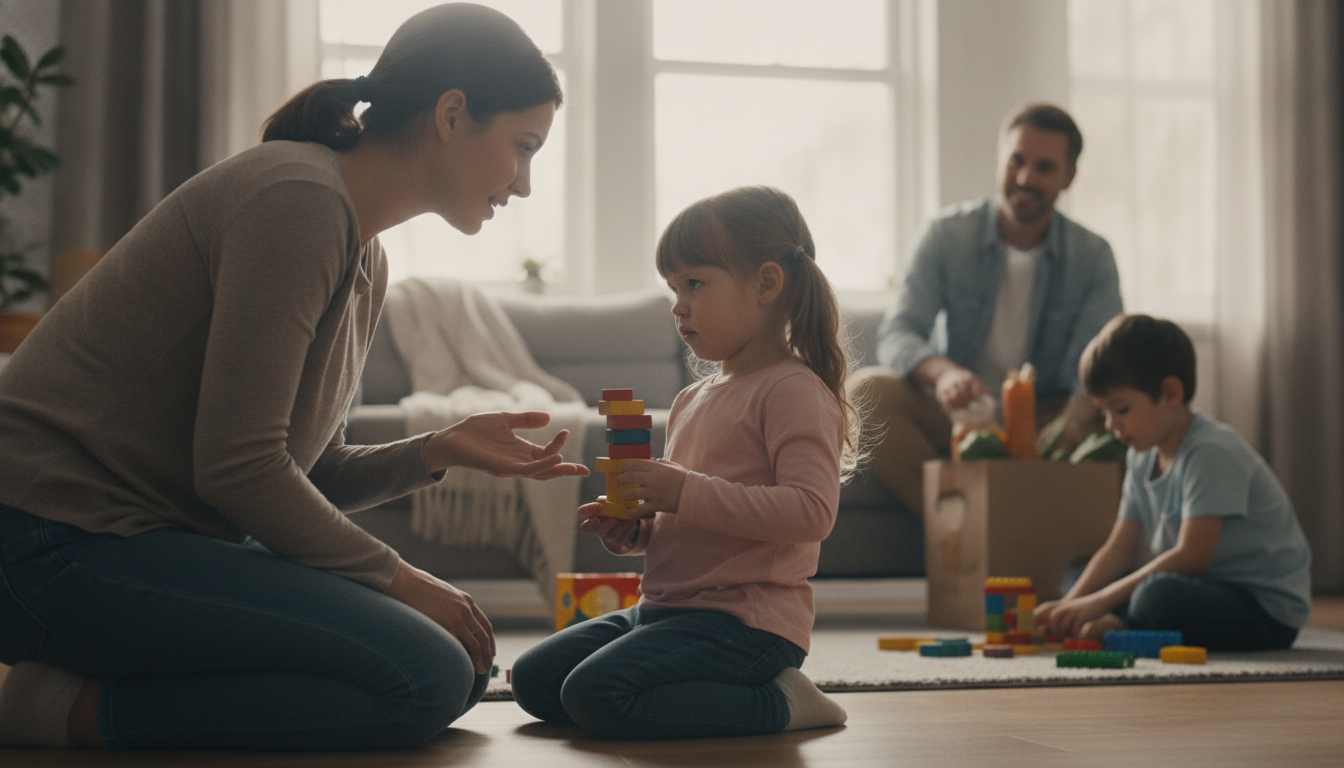
How to discipline a child without yelling or hitting
Discipline works best when it teaches skills, not fear. Staying calm and consistent helps kids learn what to do next time, while protecting your relationship and your child’s sense of safety.
Start with your goal: teach, don’t punish
Before you respond, name the behavior you want to build (sharing, using gentle hands, telling the truth). Then choose a consequence that connects to the behavior and can be repeated consistently. When discipline feels predictable, kids are more likely to cooperate over time.
Use connection first, then correction
When emotions run high, get close, lower your voice, and acknowledge feelings: “You’re really upset.” This doesn’t excuse misbehavior—it helps the brain settle so your child can actually hear the limit. Then state the boundary in one sentence: “I won’t let you hit.”
Give clear choices and follow through
Offer two acceptable options: “You can put the toy down gently or hand it to me.” If your child refuses, follow through calmly and immediately. The power is in consistency, not volume.
Use natural and logical consequences
Natural consequences happen on their own (spilled water means cleanup). Logical consequences are related and respectful (throwing a toy means the toy is put away for a while). Avoid consequences that are unrelated, overly harsh, or humiliating.
Try brief time-ins instead of time-outs
A time-in keeps you nearby while your child resets—especially helpful for younger kids. Sit together, breathe, and when calm returns, practice the right behavior (“Show me gentle hands”). This builds regulation skills that yelling can’t teach.
Reinforce what you want to see
Catch small wins: “You stopped and took a breath—nice job.” Specific praise and routines (sleep, meals, transitions) reduce power struggles and make good behavior easier.
For more strategies and examples by age, read the full guide here: How to discipline a child without yelling or hitting.
FAQ
What are some examples of logical consequences for kids?
If a child draws on the wall, they help clean it; if they misuse a device, screen time pauses until they review the rule; if they throw toys, the toys are put away for the rest of the day. The key is keeping the consequence directly related, calm, and consistent.
















Leave a comment