How Exercise Boosts Well-Being and Quality of Life
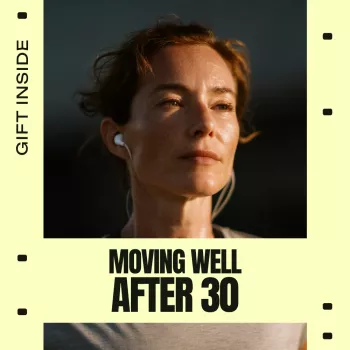
How does movement and exercise contribute to overall well-being and quality of life?
Movement and exercise support well-being by improving how the body functions day to day and by strengthening mental and emotional resilience. Even modest activity—like brisk walking, stretching, or light strength work—helps the heart and lungs deliver oxygen more efficiently, supports healthy blood sugar control, and maintains muscle and joint function so everyday tasks feel easier.
Regular physical activity is also a reliable mood and stress regulator. It can reduce tension, improve sleep quality, and help sharpen focus by balancing stress hormones and promoting brain chemicals linked to calm and motivation. Over time, this can translate into more stable energy, fewer “slumps,” and better capacity to handle work and life demands.
Quality of life often improves because movement preserves independence and confidence. Stronger muscles and better balance lower the risk of falls and injuries, while joint mobility can reduce stiffness and make hobbies, travel, and time with family more enjoyable. Exercise also supports healthier body composition and bone strength, which matters for long-term vitality.
The key is consistency and variety. Mixing cardiovascular activity, strength training, and mobility work provides broader benefits than relying on just one type. Start with what feels manageable, increase gradually, and choose activities that fit personal preferences—because the routine that gets repeated is the one that changes outcomes.
For a deeper look at the benefits and practical ways to build more activity into daily life, visit the main article.
For How Exercise Boosts Well-Being and Quality of Life, the best answer depends on fit, material, care instructions, and how the product will be used day to day.
Checking those details first helps avoid a poor match and keeps the choice practical after delivery.
FAQ
What’s a simple way to start exercising if I’m busy?
Begin with 10-minute blocks: a brisk walk, a short bodyweight circuit, or stairs. Three short sessions across the day can add up and are often easier to maintain than one long workout.













Leave a comment