Redirect Cat Scratching: Easy Steps That Work
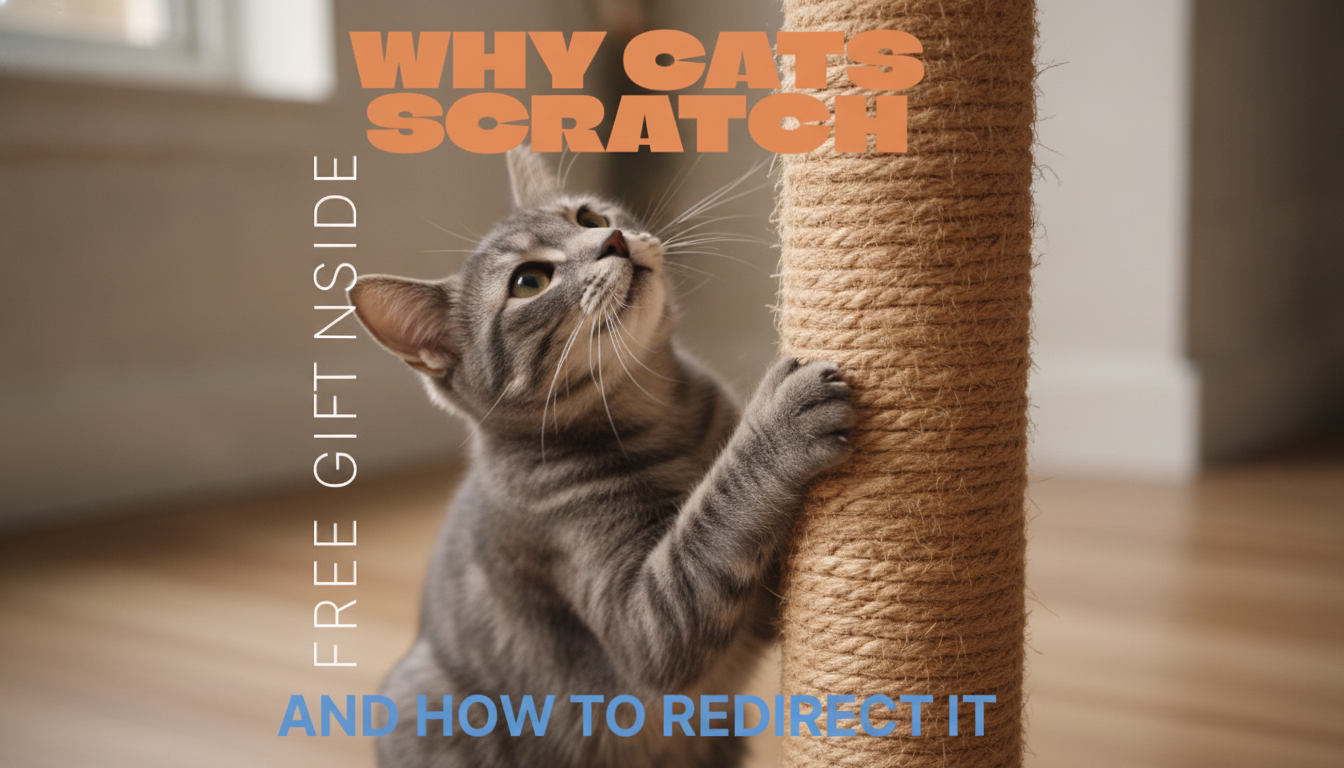
How to redirect a cat from scratching?
Cats scratch to maintain their claws, stretch their bodies, and leave scent markers. Redirecting scratching works best when it’s immediate, consistent, and paired with an appealing “yes” option—so your cat doesn’t feel punished, just guided.
1) Put the right scratching surface in the right spot
If your cat is targeting a couch arm or doorway trim, place a scratching post or pad directly beside that area first. Many cats won’t cross the room to scratch; they’ll use what’s closest. Choose a sturdy vertical post (at least 30 inches tall) or a horizontal scratcher depending on your cat’s preference.
2) Make the approved scratcher more attractive
Sprinkle catnip (if your cat responds to it), rub the surface with silvervine, or use a feline pheromone spray on the scratcher. Reward any interaction—sniffing, pawing, or a full scratch—with a treat or praise to reinforce the habit quickly.
3) Interrupt, then redirect—don’t punish
If you catch scratching on furniture, calmly interrupt with a soft clap or a brief “ah-ah,” then immediately guide your cat to the scratcher. The timing matters: redirect in the moment, then reward scratching in the correct place within a second or two.
4) Protect problem areas while habits form
Use double-sided tape, a furniture guard, or a tightly fitted cover on the favorite target. The goal is to make the “no” surface less satisfying while the “yes” surface becomes the default.
5) Keep nails managed and stress low
Trim nails regularly (or ask a groomer/vet), and add enrichment like play sessions and cozy resting spots. Cats often scratch more when bored or anxious, so routine and stimulation help reduce misdirected scratching.
For more details and product ideas to support training, visit the main guide: https://grecina.com/how-to-redirect-a-cat-from-scratching/.
FAQ
Why is my cat scratching furniture all of a sudden?
Sudden scratching spikes often happen after changes like a move, new pet, schedule shift, or stress. It can also mean your cat outgrew their old scratcher setup or needs more play and exercise.















Leave a comment