ChatGPT Color Analysis: How Accurate Is It?
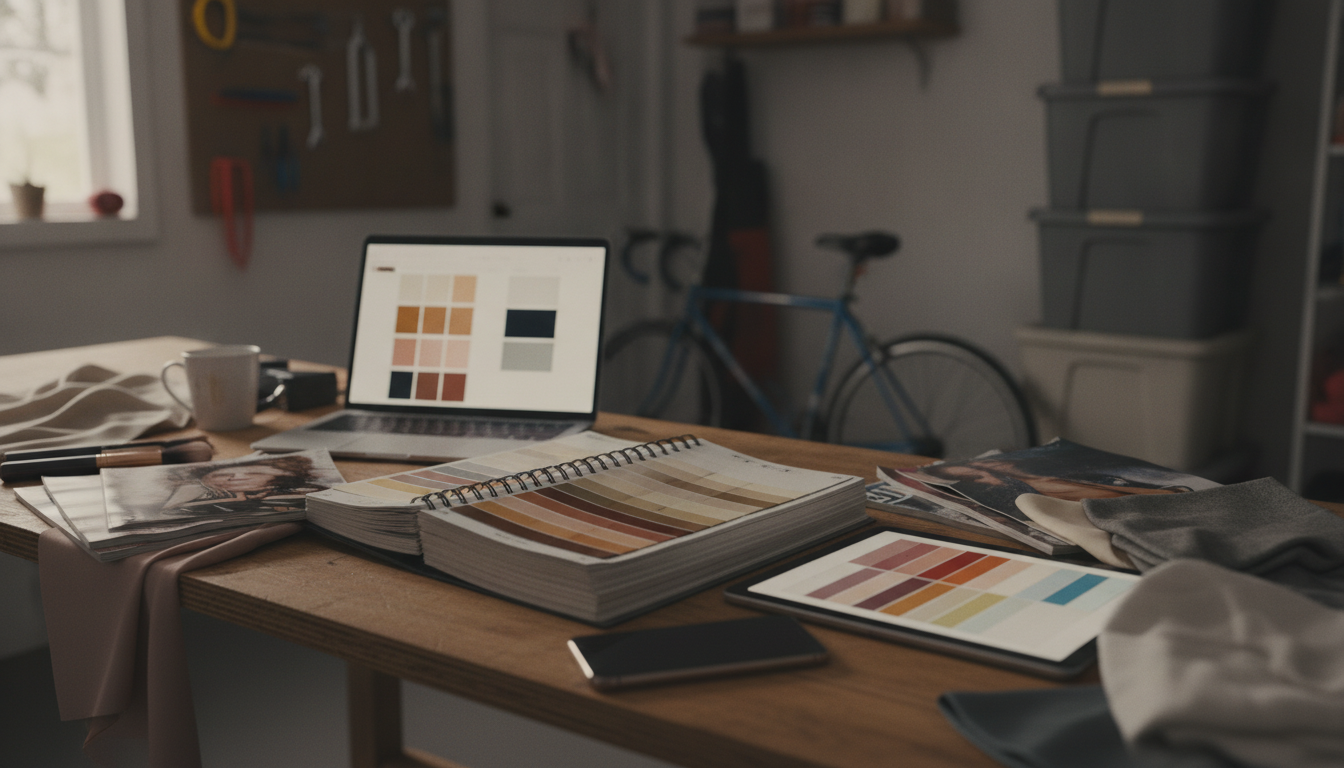
Can ChatGPT do color analysis?
ChatGPT can help with color analysis, but its results depend on what you provide. If you share clear photos, accurate descriptions, and context (lighting, makeup, hair color, and natural eye color), it can suggest a likely season (like Spring, Summer, Autumn, or Winter) and recommend flattering color families. It can also explain why certain shades may work better than others and offer easy swaps for clothing, makeup, and accessories.
What ChatGPT can do well
ChatGPT is useful for organizing your inputs and turning them into practical guidance. It can suggest:
- Color palettes to try (neutrals, accent colors, metallics)
- Makeup shade directions (lip, blush, eyeshadow undertones)
- Wardrobe pairings that match your undertone and contrast level
- Simple at-home checks, like comparing warm vs. cool fabrics near your face
Where AI color analysis can fall short
Color analysis is visual and highly sensitive to lighting and camera settings. If a photo is taken under warm indoor bulbs, with heavy filters, or against a strong colored background, the undertone read can be skewed. ChatGPT also can’t physically drape fabrics on you the way a professional would, so its suggestions are best treated as starting points to test in real life.
How to get more accurate results
For better recommendations, use a daylight photo (no filters), minimal makeup, and a neutral background. If possible, provide multiple photos (front-facing, different lighting) and note whether gold or silver jewelry tends to look better on you. Then confirm by trying a few “benchmark” colors: a true white vs. cream, cool gray vs. camel, and blue-red vs. orange-red.
Want a deeper breakdown?
For a more detailed walkthrough of how ChatGPT approaches seasonal palettes and how to interpret the results, read the full guide here: https://grecina.com/can-chatgpt-do-color-analysis/.
FAQ
What photos should I use for a DIY color analysis?
Use natural daylight photos with no filters, minimal makeup, and a neutral background. Including one image in shade and one in indirect daylight helps reveal undertone and contrast more reliably.











Leave a comment