Kids Reward System: Simple Steps That Actually Work
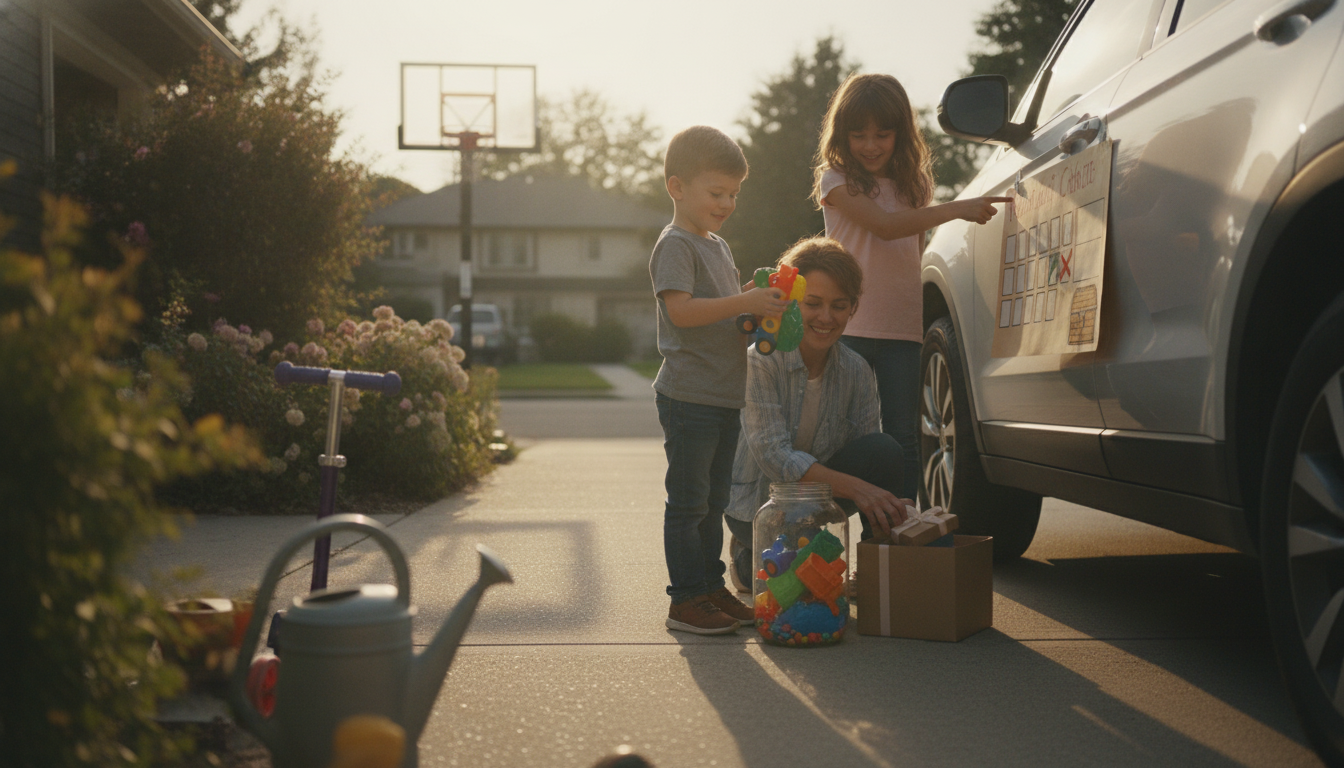
How to create a reward system for kids?
A good reward system helps kids practice a specific behavior, see their progress, and feel motivated without turning every task into a negotiation. The most effective plans are simple, consistent, and tied to clear expectations.
1) Pick one or two behaviors to start
Choose goals your child can actually control and you can observe, such as “brush teeth without reminders” or “put toys in the bin before dinner.” Keep it small at first so success comes quickly and the system doesn’t feel overwhelming.
2) Define what “earning” looks like
Write the rule in kid-friendly terms: what needs to happen, when, and how often. For example, “If homework is started within 10 minutes after snack, you earn one point.” Avoid vague goals like “be good,” which can feel unfair.
3) Select rewards that fit your family
Use a mix of small daily perks (pick the bedtime story, extra 10 minutes of play) and occasional bigger rewards (movie night, choosing dinner). Experiences often work better than toys, and they’re easier to deliver consistently.
4) Choose a tracking method
Sticker charts, jars with tokens, or a simple checklist can all work. Make progress visible and place it where your child will notice it. For older kids, points toward a weekly privilege can feel more age-appropriate than stickers.
5) Set a predictable exchange rate
Decide how many points equal each reward and keep the “store” small. Make sure your child can earn something within a day or two, especially at the beginning, to build momentum.
6) Keep consequences separate from rewards
Rewards are for practicing the target behavior; consequences are for unsafe or clearly broken rules. If everything becomes point-based, motivation can fade and daily life can feel transactional.
For a step-by-step guide, examples, and printable ideas, visit Grecina’s full article on creating a reward system for kids.
FAQ
What are some non-material rewards that work well for kids?
Extra one-on-one time, choosing a family activity, staying up 15 minutes later, or picking the music in the car are strong motivators. These rewards also reinforce connection, not just “stuff.”














Leave a comment