Eco-Friendly Kitchen Cabinets: Best Materials & Standards
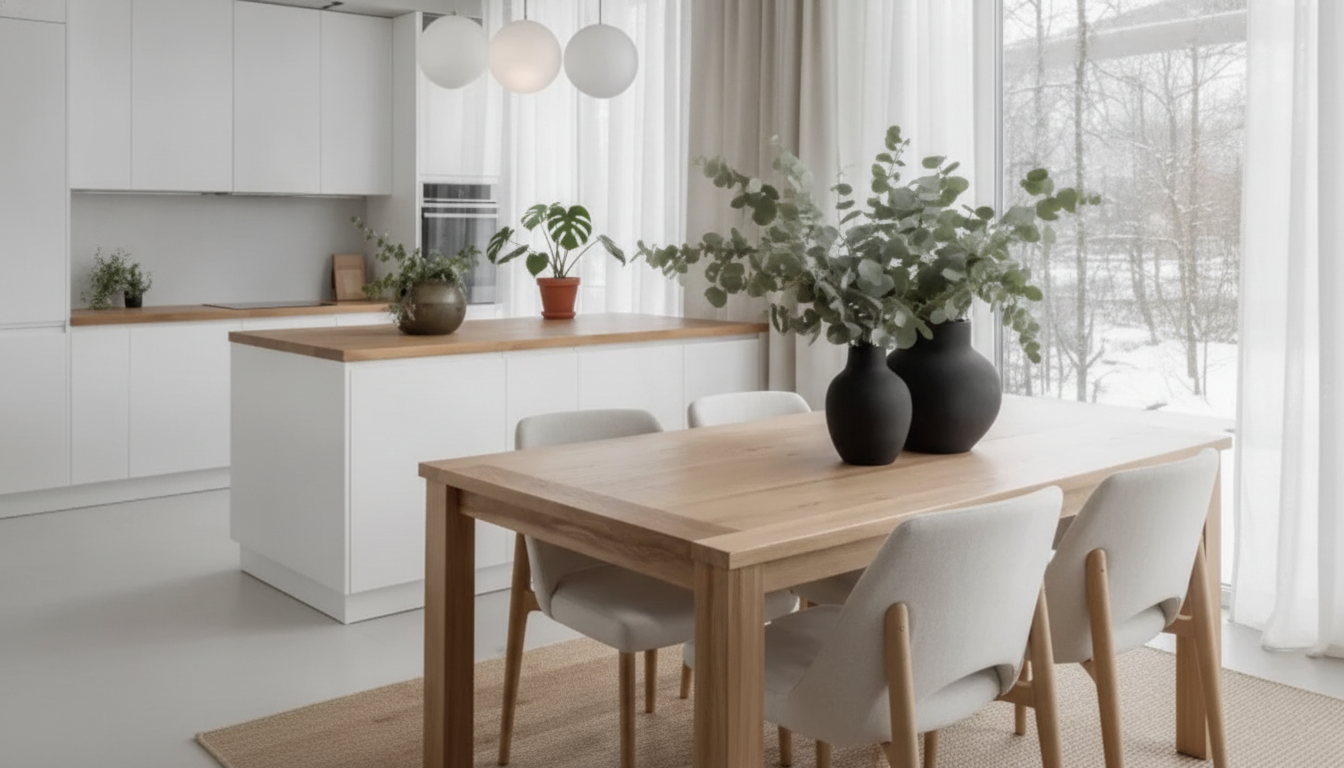
What are the most environmentally friendly kitchen cabinets?
The most environmentally friendly kitchen cabinets are those made with responsibly sourced materials, low-emission components, and durable finishes that reduce replacement waste. In practice, that usually means cabinets built from FSC-certified solid wood or rapidly renewable materials (like bamboo), plus plywood or MDF that meets strict low-VOC standards.
Best eco-friendly cabinet materials
FSC-certified solid wood is a top choice because it comes from forests managed for long-term health and biodiversity. When paired with low-VOC stains or water-based finishes, it helps keep indoor air cleaner while still delivering a long lifespan.
Formaldehyde-free or ultra-low-emitting plywood is another strong option, especially for cabinet boxes. Look for products that meet CARB Phase 2 or TSCA Title VI standards, which limit formaldehyde emissions.
Bamboo grows quickly and can be highly renewable when harvested responsibly. It’s often used for door fronts or panels and can be a smart fit for modern kitchens seeking a lighter environmental footprint.
Reclaimed or salvaged wood offers one of the lowest-impact paths because it reuses existing material. It can add character, but the quality depends on proper milling, moisture control, and a stable cabinet build.
What to look for beyond materials
Prioritize cabinets made with low-VOC adhesives and finishes, since these can significantly affect indoor air quality. Also consider build quality: well-made cabinets last longer, avoid warping, and reduce the need for future replacement. Local or regional manufacturing can further cut transportation-related emissions.
For a deeper breakdown of materials, certifications, and practical buying tips, see the full guide here: https://grecina.com/what-are-the-most-environmentally-friendly-kitchen-cabinets/.
For Eco-Friendly Kitchen Cabinets: Best Materials & Standards, the best answer depends on fit, material, care instructions, and how the product will be used day to day.
FAQ
Do eco-friendly cabinets cost more?
They can, especially when using FSC-certified wood, formaldehyde-free panels, and premium low-VOC finishes. However, higher durability often offsets the upfront cost by reducing repairs and replacement over time.











Leave a comment