Wooden Toys for Babies: Best Age to Start (3–6 Months)
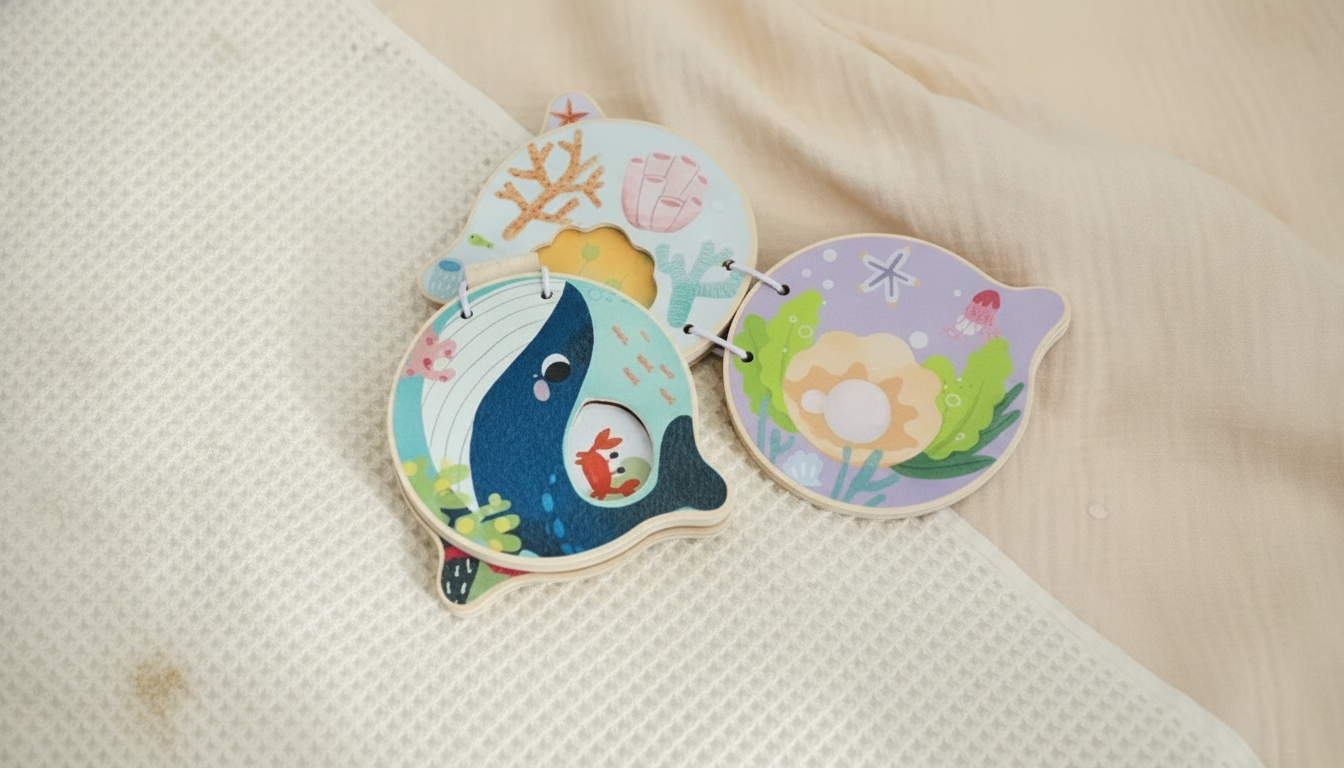
When to introduce wooden toys to baby?
Many babies can start enjoying wooden toys around 3–6 months, when they begin reaching, grasping, and bringing objects to their mouth. At this stage, the best wooden options are simple, lightweight, and easy to hold—such as smooth rattles, grasping rings, or small rolling toys sized appropriately for infants.
For newborns, wooden toys are usually less practical because babies are still developing visual focus and hand control. Instead, they tend to engage more with high-contrast visuals and soft, lightweight items. As coordination improves, wooden toys can become a great addition to playtime because they’re durable, tactile, and often designed for open-ended exploration.
What to look for by age
0–3 months: Focus on safe visual stimulation and gentle sounds. If using wood at all, choose a baby-safe wooden rattle used with close supervision.
3–6 months: Introduce easy-to-grip wooden toys with rounded edges and a smooth finish. Babies practice holding, transferring between hands, and mouthing.
6–12 months: Stackers, shape sorters (with large pieces), simple cars, and blocks become more engaging as sitting and crawling develop.
12+ months: Toddlers often enjoy more complex wooden toys like puzzles, pretend play sets, and building systems that support problem-solving.
Safety checklist before introducing wooden toys
Choose toys labeled for your baby’s age range, made with non-toxic finishes, and free from splinters, sharp corners, or loose parts. Pieces should be too large to fit entirely in a baby’s mouth, and any paint should be water-based and chip-resistant. Regularly inspect wooden toys for cracks or wear, especially if they’re frequently mouthed.
For a deeper breakdown of age-appropriate picks and what to avoid, visit this guide on when to introduce wooden toys to baby.
FAQ
Are wooden toys safe for teething babies?
They can be, as long as the toy is specifically made for babies, finished with non-toxic materials, and has no small parts. Check often for cracks or rough spots that could irritate gums.














Leave a comment