Quiet Strength: Introvert-Friendly Sports & Training Plan
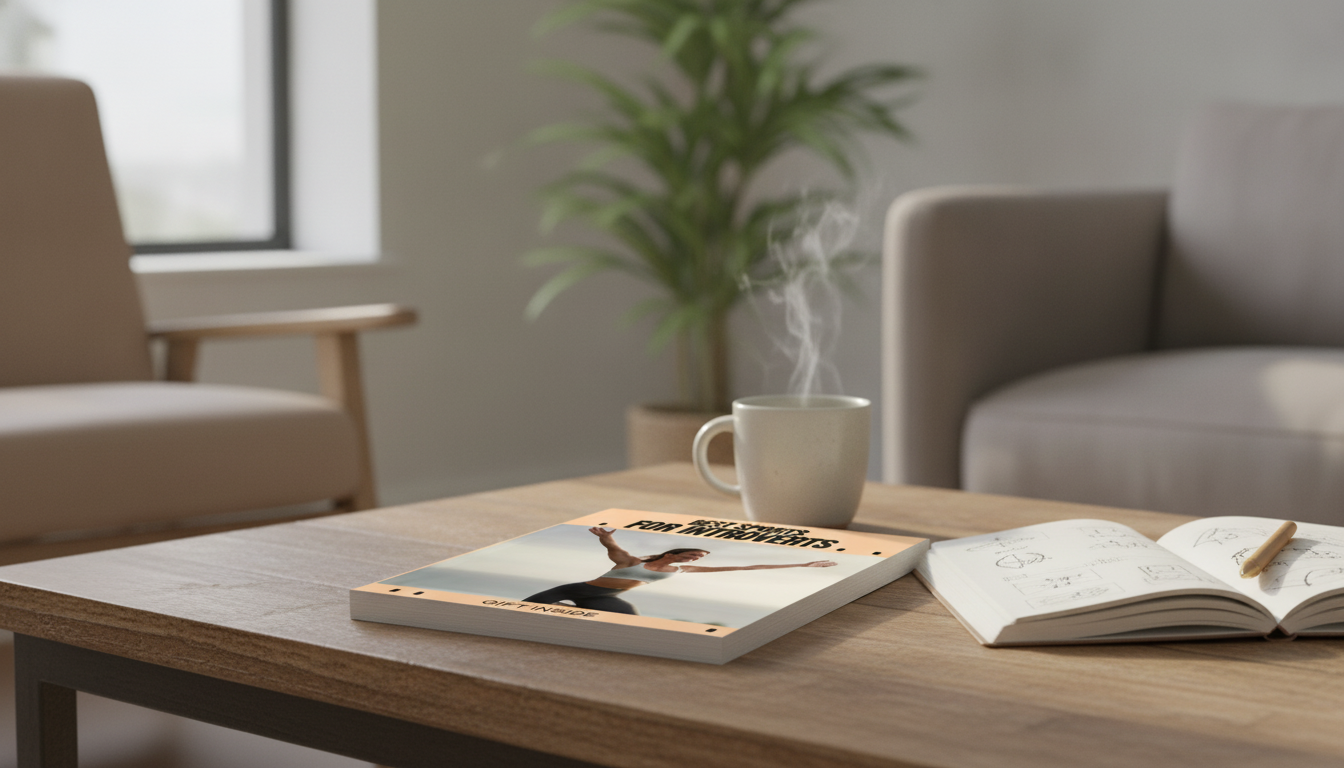
Quiet Strength: A Practical Path for Introverts to Thrive in Sport
Sports don’t have to mean constant small talk, crowded locker rooms, or high-pressure team dynamics. With the right choices and routines, training can become a focused, calming way to build fitness, confidence, and resilience. This guide breaks down low-interaction athletic options, sensory-friendly training habits, and simple ways to stay consistent without burning out.
Why introverts can excel in athletics
Many introverts thrive when practice is quiet, repeatable, and goal-driven. Those same traits can become real advantages in sport—especially when progress is built through consistent reps rather than constant hype.
- Focus and deliberate practice often translate into steady skill growth over time.
- Solo or low-interaction training reduces social fatigue and preserves motivation.
- Preference for structure supports repeatable routines, tracking, and incremental progress.
- Mindful attention to form and breathing can improve efficiency and reduce injury risk.
For general health benchmarks, the Physical Activity Guidelines for Americans and the American College of Sports Medicine recommendations provide a grounded starting point for weekly movement and strength work.
How to pick a sport that fits energy, environment, and goals
Choosing the “right” sport is less about personality labels and more about matching your environment and recovery needs to a training style you can repeat.
- Start with the social dial: solo (no partner), parallel (others nearby but independent), or minimal-contact (short interactions with a coach or group).
- Choose an environment that supports regulation: outdoors, quiet indoor spaces, or low-stimulation facilities.
- Match the intensity to recovery needs: low impact (walking, cycling) vs. higher impact (running, martial arts drills).
- Clarify the primary payoff: stress relief, endurance, strength, skill mastery, or time efficiency.
- Plan for logistics that protect consistency: commute time, equipment needs, and weather back-up options.
Low-interaction sports options and what they’re best for
| Sport | Interaction level | Best for | Common friction points | Simple workaround |
|---|---|---|---|---|
| Running (outdoors or treadmill) | Solo | Mood, endurance, low cost | Crowded routes/gym peak hours | Train off-peak; pick quieter routes |
| Cycling (road/indoor) | Solo/Parallel | Cardio with lower impact | Traffic or busy studios | Use trails; choose quiet times; indoor bike at home |
| Swimming (lap swim) | Parallel | Full-body, joint-friendly | Noisy pools, lane sharing | Go early; bring earplugs; pick smaller pools |
| Strength training (home/gym) | Solo/Parallel | Strength, posture, confidence | Busy gyms and unsolicited advice | Home setup; headphones; plan a short circuit |
| Rowing machine/erg | Solo/Parallel | Cardio + strength blend | Technique confusion | Follow a short form checklist; film 10-second clips |
| Hiking | Solo | Stress relief, gentle endurance | Crowded trails | Weekday mornings; choose lesser-known routes |
| Yoga (home/quiet studio) | Solo/Minimal | Mobility, recovery, nervous system reset | Packed classes | Home sessions; small classes; corners/back row |
| Climbing (bouldering/rope) | Minimal/Moderate | Skill mastery, full-body | Social culture and shared space | Off-peak sessions; headphones between climbs |
Mindful training: staying present without overthinking
Mindfulness in sport doesn’t require a perfect meditation habit. It’s a practical way to narrow attention so your brain stops scanning for social pressure and starts tracking what matters.
For stress and anxiety relief, the Anxiety & Depression Association of America (ADAA) highlights how regular movement can support mood and resilience—especially when it feels manageable and repeatable.
Building a low-friction routine that survives busy weeks
If a calmer, step-by-step structure helps, Quiet Strength: The Introvert’s Guide to Thriving in Sports (ebook) lays out sport options, low-interaction routines, and simple mindset tools you can tailor to your schedule.
Navigating gyms, clubs, and classes without social drain
For quick grounding before you walk in (or to downshift after), keep a short routine on hand like the Calm in the Moment Checklist. A predictable sequence can reduce decision fatigue and help your body shift into “training mode.”
A calm 4-week starter plan (customizable)
Example weekly schedule (choose any 3–4 days)
| Day | Session | Intensity | Mindful cue |
|---|---|---|---|
| Day 1 | Strength circuit (20–35 min) | Easy–Moderate | Stable spine, smooth reps |
| Day 2 | Walk/jog or cycling (20–45 min) | Easy | Relaxed jaw, steady breath |
| Day 3 | Mobility or yoga (10–25 min) | Easy | Slow exhale, long posture |
| Day 4 | Intervals (10–20 min work + warm-up/cool-down) | Moderate | Controlled exhale on effort |
When motivation dips: signs of overload and simple resets
Small comfort upgrades can help recovery feel more inviting, especially after evening sessions. For a cozy wind-down at home, Birkenstock Men’s Brown Slippers are an easy add-on to a calm post-workout routine.
A guided companion for introvert-friendly sport choices
- Quiet Strength: The Introvert’s Guide to Thriving in Sports offers sport recommendations, low-interaction training strategies, and mindset tools designed for calmer consistency.
- Helpful for anyone who prefers independent workouts, focused practice, and a more mindful approach to progress.
- Works alongside any fitness level: beginner-friendly foundations plus adaptable routines.
FAQ
What are good sports for someone who prefers training alone?
Running, cycling, hiking, rowing, strength training, swimming (lap swim), yoga, and home-based mobility work are all strong options. Pick based on how much stimulation you can tolerate, whether you prefer low-impact movement, and what outcome matters most (stress relief, strength, endurance, or skill).
How can training stay consistent without joining a team or group?
Use a minimum effective session (10–20 minutes), schedule the same weekly training days, and keep a default “template” workout to reduce decisions. Private tracking and simple reminders provide accountability without adding social pressure.
Do introverts need different coaching or programs to improve performance?
The fundamentals are the same, but delivery can make a big difference: clear structure, predictable feedback, and room for autonomy often work best. One-on-one coaching or small groups can provide guidance without overwhelming social exposure.












Leave a comment