Smart Scale Accuracy: What’s Reliable and What Isn’t
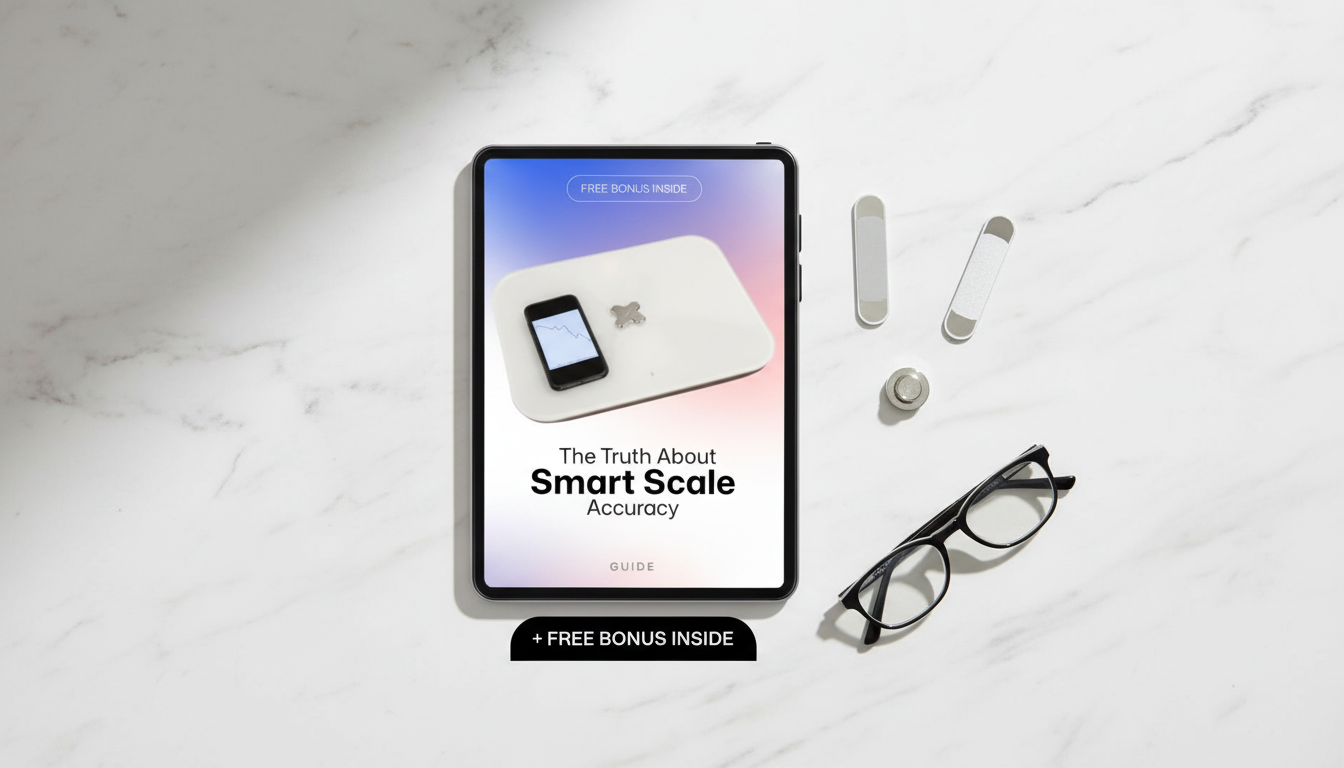
The Truth About Smart Scale Accuracy: Is Your Smart Scale Really Accurate?
Smart scales promise more than a number on the screen—body fat, muscle mass, water percentage, and trend insights. The reality is that some readings can be highly repeatable while others are sensitive to hydration, timing, skin temperature, and even foot placement. Accuracy also depends on what “accurate” means: matching a medical-grade reference, or reliably tracking change over time. Below is a clear breakdown of which measurements tend to be dependable, why smart scales sometimes disagree, and how to test and improve consistency so the data is actually useful.
What a smart scale actually measures
Smart scales typically combine two measurement systems, and the difference between them explains most “Is this thing broken?” moments.
- Weight is measured using internal sensors called load cells. On a hard, level surface, weight is usually the most reliable metric.
- “Body composition” estimates come from bioelectrical impedance analysis (BIA): a tiny electrical current travels through the body, and the scale uses the resistance (impedance) plus your profile (age, sex, height, and sometimes activity level) to estimate body fat, lean mass, and water.
- Algorithms vary by brand, so two scales can show different body fat percentages on the same day even if both are working as designed.
- Consumer BIA is best treated as an estimate for trends, not a diagnostic number. For background on how BIA works in clinical contexts, see the Cleveland Clinic’s overview of BIA.
Accuracy vs consistency: the distinction that matters
Most frustration comes from expecting medical-grade accuracy from consumer tools. The more useful goal for everyday health tracking is consistency.
- Accuracy = how close a reading is to a reference method (for weight: a calibrated clinical scale; for body composition: methods like DEXA).
- Consistency (repeatability) = whether the scale gives the same result under the same conditions. For progress tracking, consistency is often the bigger win.
- A scale can be consistent but not truly accurate for body fat % if its model doesn’t fit your body type well.
- For health goals, standardize your routine to maximize repeatability, then pay attention to week-to-week or month-to-month trends instead of single readings. The CDC’s Healthy Weight resources can help keep expectations grounded around trends and overall context.
Typical reliability by metric (consumer smart scales)
| Metric | Usually reliable for | Common sources of error | Best practice |
|---|---|---|---|
| Weight | Daily/weekly trends | Soft flooring, uneven surface, moving during weigh-in | Place on hard floor; stand still; weigh at the same time |
| Body fat % (BIA) | Broad trends over weeks/months | Hydration, recent exercise, meals, skin temperature, algorithm differences | Measure under identical conditions; compare trends, not absolutes |
| Muscle/lean mass (BIA) | Directional trend only | Hydration shifts often appear as “lean mass” changes | Track alongside strength training logs and measurements |
| Water % (BIA) | Short-term fluctuation awareness | Salt intake, alcohol, menstrual cycle, travel, sweat loss | Use as context; avoid reacting to single-day swings |
Why smart scale body fat readings can swing day to day
If your body fat % looks like it’s on a roller coaster, the scale may be reacting to normal physiology rather than actual fat gain or loss.
A simple at-home accuracy check (without special equipment)
How to get the most consistent readings (what to standardize)
When to ignore the smart scale—and what to use instead
- If body fat % jumps dramatically overnight, treat it as hydration/impedance noise unless other indicators agree.
- Validate recomposition with waist/hip measurements, progress photos, clothing fit, and strength performance.
- If a medical decision depends on the number, use clinical methods (clinician-calibrated weight and validated body composition assessment). For additional technical context on BIA, you can also review reference material via the National Library of Medicine.
- If your scale shifts by large amounts on repeat measurements, troubleshoot surface, batteries, and sensor stability before trusting any trend.
A practical guide that makes smart scale data easier to trust
- For a structured walkthrough on repeatability testing, hydration effects, and trend-based tracking, see The Truth About Smart Scale Accuracy Guide – Is Your Smart Scale Really Accurate?.
- If you create product content (including fitness gear) and want a faster way to write clearer, more consistent review copy, the AI-Powered Product Review Checklist | Digital Download for Sellers & Creators | AI for Writing Product Reviews Guide can help standardize your process.
FAQ
Are smart scales accurate for body fat percentage?
Smart scales use BIA to estimate body fat %, so the number can be useful for long-term trends but may not match medical reference methods. Day-to-day changes often reflect hydration and measuring conditions rather than true fat gain or loss.
Why does my smart scale show different body fat readings on different days?
Hydration, recent exercise, meals, alcohol, skin temperature, and electrode contact can all change impedance and shift the estimate. Standardize timing and conditions, and consider weekly averages to smooth out normal noise.
How can a smart scale be accurate for weight but not for body composition?
Weight is directly measured with load cells, which can be very consistent on a stable surface. Body composition is inferred from electrical impedance and population-based equations, so it’s more sensitive to day-to-day variables and may be less accurate for individuals.
















Leave a comment