Non-Abusive Child Discipline: Calm Limits That Work
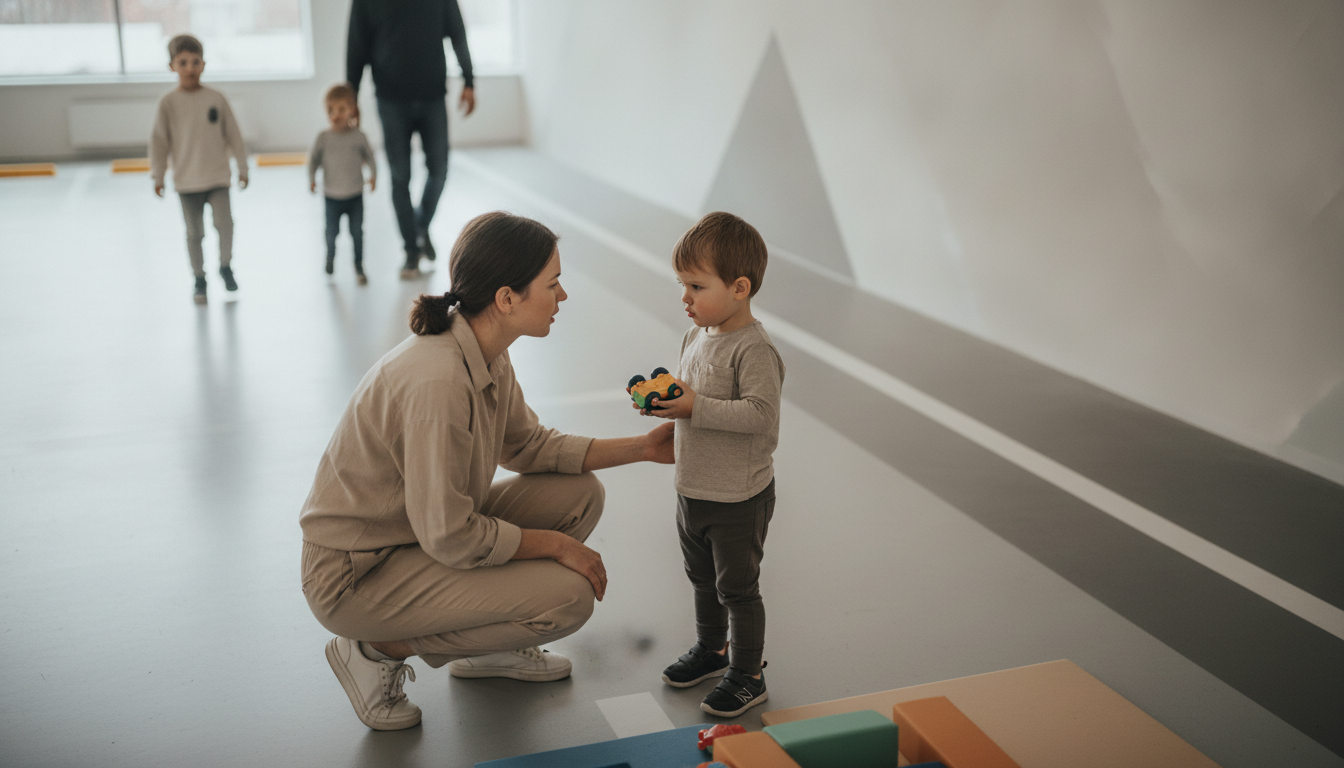
How to discipline a child without being abusive
Discipline can teach skills and protect boundaries without using fear, humiliation, or pain. A non-abusive approach focuses on calm leadership: setting clear expectations, responding consistently, and helping a child learn what to do next time. The goal is behavior change and emotional safety at the same time.
What non-abusive discipline looks like
Start with predictable rules and simple choices. Use a steady tone, get down to your child’s eye level, and describe the behavior you want: “Hands stay to yourself,” or “Toys are for playing, not throwing.” Keep directions short, then give your child a chance to comply before adding consequences.
Non-abusive discipline relies on consequences that are related, reasonable, and respectful. Instead of threats or yelling, connect actions to outcomes: if a toy is thrown, it gets put away for a while; if a child draws on the wall, they help clean it up. Follow through consistently so your child learns that limits are real and safe.
Tools that work without harm
Use natural and logical consequences
Natural consequences happen on their own (a forgotten homework assignment leads to a lower grade). Logical consequences are set by you and tied to the behavior (screen time ends early after repeated rule-breaking). Keep consequences short and immediate when possible.
Coach emotional regulation
Many behavior problems come from big feelings. Name the emotion (“You’re mad”) and offer a replacement behavior (“You can stomp your feet or squeeze a pillow, not hit”). This teaches coping skills rather than simply punishing the reaction.
Reinforce the behavior you want
Notice small wins: “You started your homework right away—nice job.” Specific praise and simple reward systems (like earning extra story time) can reduce power struggles and build motivation.
What to avoid
Skip tactics that intimidate or shame: insults, threats of abandonment, public humiliation, or forcing a child to “prove” obedience. Physical punishment and screaming can stop behavior briefly but often increase anxiety and aggression over time.
Learn more
For more examples, age-appropriate strategies, and common discipline pitfalls, read the full guide here: https://grecina.com/how-to-discipline-a-child-without-being-abusive/.
FAQ
What is a good consequence for not listening?
Use a consequence that matches the situation, such as pausing the current activity until instructions are followed or removing a privilege related to the behavior. Pair it with a clear, brief reminder of what listening looks like and a chance to try again.
















Leave a comment